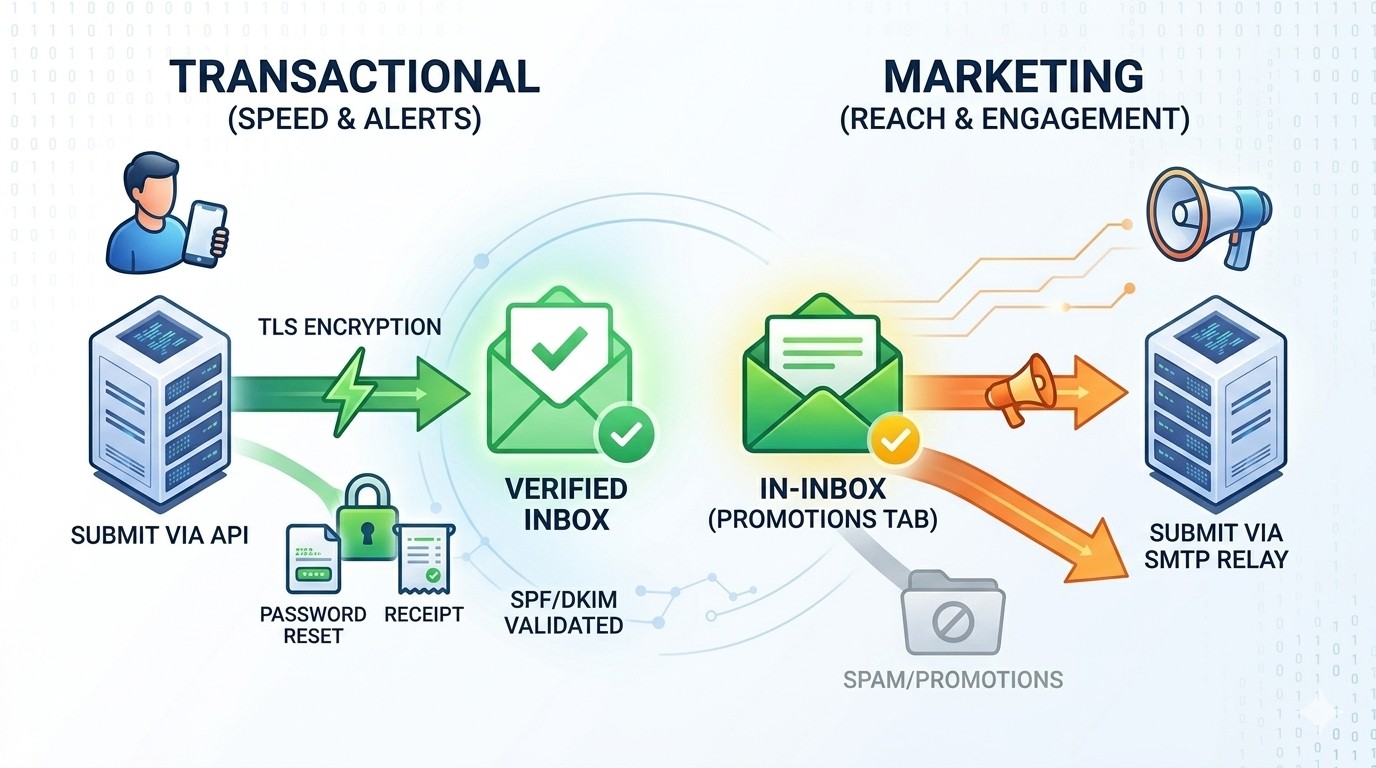

Email is the quiet workhorse of online income—consistent, intimate, and often misunderstood. This article lays out a practical, step-by-step approach that treats email marketing like a craft, not a hack, with real tactics you can apply whether you’re just starting or trying to scale. Read on for strategy, technical know-how, and hands-on examples that keep subscribers engaged and conversions rising.
why email still matters in affiliate marketing
Email remains the single best direct line to a motivated audience because people check their inboxes by choice, not by algorithm. Social platforms can disappear or change rules overnight, but a well-nurtured list is an asset you control and monetize repeatedly.
Unlike one-off ads, email lets you build context and trust across a sequence of messages—so the offer arrives into a relationship rather than a cold request. That difference is why conversion rates from email often beat social and display channels when executed thoughtfully.
start with the right foundation: list quality, compliance, and expectations
Your list is the product. Prioritize acquiring engaged subscribers who expect your content and consented to receive it. Buying lists or scraping contacts will degrade your deliverability and reputation faster than any short-term ROI can justify.
Comply with laws and provider terms from the beginning: CAN-SPAM, GDPR, and any regional rules that apply to your audience. Clear consent, easy unsubscribe paths, and transparent privacy notices aren’t optional—they protect deliverability and trust.
how to capture subscribers without breaking trust
Offer value first. A guide, template, or short video that genuinely helps your target buyer establishes a positive first impression and reduces unsubscribes. Use landing pages that communicate exactly what subscribers will receive and how often.
Use double opt-in where feasible; it reduces fake signups and spam traps. Also track source metadata—where each subscriber came from—so you can segment and personalize based on interests and intent later.
choosing the right email infrastructure
Your choice of sending infrastructure matters more than most beginners realize. Shared platforms that ban affiliate links will block campaigns or suspend accounts, so select a provider that supports your business model. An affiliate friendly email server can be a game-changer if you rely on affiliate links and frequent promotions.
For large sends, especially newsletters that reach thousands, a robust bulk email server can handle volume while maintaining deliverability. However, volume without proper reputation management will do more harm than good, so configuration and warm-up are crucial.
criteria for picking a provider
Look beyond price. Prioritize deliverability features (dedicated IPs, reputation dashboards), clear policies about affiliate marketing, and quality support that understands deliverability nuances. Ask prospective providers how they handle complaint rates and blacklisting incidents.
Also check integration capabilities: does the ESP integrate with your CRM, tracking tools, and automation platform? Seamless data flow between systems reduces manual work and avoids mistakes that hurt subscriber experience.
affiliate friendly email server vs. general ESPs
Some email providers explicitly welcome affiliate marketers and offer tools or relaxed policies around affiliate links, while general ESPs may impose restrictions or require preapproval. If your business model relies heavily on commissions from promotions, choose a partner on your side.
That said, being “affiliate friendly” is not a license to spam. Respect the provider’s abuse thresholds and community guidelines; the best vendor relationships balance tolerance for affiliate content with strict anti-spam enforcement.
writing emails that actually convert
The art of converting in email isn’t sleight of hand; it’s relevance-plus-clarity. The message must match the recipient’s stage in the funnel and the context you’ve already set. When you’re thoughtful about timing and content, subscribers read and click instead of hitting delete.
Focus on benefits, not features. Show how the product or service alleviates a specific pain point. Use concise, conversational language and break copy into scannable chunks—busy readers appreciate your brevity.
subject lines and preheader text
Subject lines determine whether your email gets a chance to perform. Test curiosity, specificity, and clarity—but never use deceptive practices that erode trust. A strong subject line and a compelling preheader work together to set expectations before the email is opened.
Avoid all-caps, excessive punctuation, and spammy words that trigger filters. Instead, focus on personalization and relevance cues: refer to interests, recent interactions, or tangible outcomes a reader can expect.
storytelling and sequence design
People respond to narratives that position the offer as a solution. Use short stories, testimonials, or case studies in sequence to build momentum toward an affiliate offer. Each email should contribute a single idea and a clear call to action.
Design the welcome series to educate rather than sell immediately. Warm subscribers over 2–6 emails, sharing useful content and a soft offer before increasing promotional intensity. This approach raises engagement and reduces complaints.
segmentation, personalization, and automation
Segmentation is the single most underused lever that improves both engagement and conversion. Divide your list by behavior, purchase intent, demographics, and source to send messages that actually matter to each subgroup. Generic blasts are a growth killer.
Automation lets you scale personalization without manual work. Triggered flows—welcome series, cart abandonment, post-purchase follow-up—deliver the right message at the right time and quietly lift revenue with minimal oversight.
practical segmentation strategies
Start with simple segments: new subscribers, active readers, cold subscribers, and recent buyers. Build more granular segments based on link clicks, content interests, or the funnel stage. Even a handful of targeted segments will outperform a single list.
Use recency and frequency signals to manage cadence. Send fewer emails to those who open less frequently and more value-driven content to your most engaged core. This approach preserves deliverability and maximizes lifetime value.
automation flows that matter
Critical flows include the welcome series, content nurture, promotional cadence, and re-engagement. Each should be designed with a clear goal—educate, convert, retain—and include measurable milestones. Don’t let automation run purpose-free; review flows quarterly and update offers and links.
Consider adding a “breakup” sequence for persistently disinterested subscribers: a short series that tries to re-engage, then removes them if nothing changes. Pruning unengaged addresses helps your sender reputation.
technical deliverability: get the plumbing right
Deliverability is a technical discipline. Proper DNS records (SPF, DKIM, DMARC) tell ISPs your messages are legitimate. Skipping these steps is like building a storefront without locks—your messages will either be delayed to spam folders or blocked outright.
Warm new sending IPs slowly. Sudden large volumes from a new IP or domain trigger ISP suspicion. Start with modest sends to your most engaged segments and ramp up over weeks while monitoring bounces and complaints.
handling reputation and IP strategy
Decide if you need a dedicated IP or a shared one. Dedicated IPs offer control but require consistent volume and good sending hygiene; otherwise, they become a liability. Shared IPs might be fine for smaller senders if the provider manages reputation diligently.
If you need high volume, combine a dedicated IP with a staged warm-up plan and strict segmentation. That approach gives predictable deliverability while avoiding the pitfalls of sudden traffic spikes.
avoiding common spam triggers
Spam filters are driven by engagement signals and content patterns. Avoid excessive links, obviously promotional phrasing, and attachments. Prefer plain HTML with a clean structure, accessible images, and clear unsubscribe links.
Monitor complaint rates and remove complainers quickly. Even a single high-profile complaint can escalate if you keep sending to uninterested addresses, so treat negative signals as immediate feedback rather than noise.
tracking, testing, and optimizing for conversion
What gets measured gets improved. Track open rate, click-through rate, conversion rate, unsubscribe rate, and spam complaints. Use those metrics to diagnose problems and inform test hypotheses. Don’t chase vanity metrics without context.
A/B testing should be systematic. Test one variable at a time—subject line, call to action, layout—so you learn real causality. Run tests long enough to reach statistical significance, especially on lower-volume lists.
metrics that tell a story
Open rate indicates subject line and sender efficacy; click rate shows content relevance; conversion rate reveals offer-market fit. Cohort analysis—following subscribers by acquisition date—exposes whether newer tactics sustain performance.
Also track revenue per subscriber and cost per acquisition to understand true profitability. These financial metrics are what determine whether a scale-up is worth the associated operational complexity.
testing cadence and sample sizes
For subject-line tests, use small slices of your list to determine a winner, then send the winner to the remaining audience. For content or funnel changes, you’ll need larger sample sizes before declaring a winner to avoid false positives.
Document each test result and the date; historical context matters because audience behavior shifts over time. A variant that works in January may not perform in October, so maintain a living repository of learnings.
choosing and promoting affiliate offers
Select offers that genuinely match your audience’s needs. High commissions are tempting, but low-converting or low-quality products burn trust and reduce long-term revenue. Favor offers with proven conversion paths and reliable merchant reputation.
Promote offers creatively: tutorials, problem-solution narratives, comparison roundups, and honest pros-and-cons assessments. Transparent endorsements perform better than hype because readers appreciate authenticity.
structuring affiliate funnels
Design the funnel to add value before asking for a click. A typical sequence: educate on the problem, present the solution and evidence, offer a limited-time bonus or comparison, and then make the pitch. Each email nudges the reader forward without pressure.
Use bonuses or extras you control—exclusive guides, checklists, or short consultations—to differentiate your affiliate link and increase perceived value. These small additions can multiply conversions without changing the merchant’s offer.
scaling responsibly: volume, reputation, and vendor relationships
Scaling means higher stakes. More volume can bring more revenue but also aggravate deliverability risks. Scale in phases, measure impact, and be ready to throttle sends if complaint rates climb or engagement drops.
Maintain open lines with merchants and email providers. If a campaign is particularly aggressive or uses long-form sales content, notify your affiliate friendly email server or merchant contact—transparency can avert account holds or policy conflicts.
when to use a bulk email server
Use a bulk email server when your sending needs exceed standard ESP limitations or when you require specialized routing, throttling, or high-volume transactional capability. Such servers handle list segmentation and sending velocity at scale.
However, having a bulk email server doesn’t replace good list hygiene. Treat it as infrastructure that amplifies your strategy—not as a way to blast unqualified recipients into profits.
common pitfalls and how to avoid them
Rushing offers, neglecting segmentation, and ignoring deliverability warnings are three fast routes to trouble. Each creates friction for subscribers and raises the likelihood of blacklistings or account suspensions. Slow down and fix the fundamentals first.
Another common mistake is chasing every shiny affiliate program without testing. Run trial campaigns, measure conversion, and only scale offers with dependable performance. Consistency beats novelty in long-term list monetization.
spam traps, blacklists, and recovery
Spam traps can appear from purchasing lists or using outdated opt-in methods. If your sender reputation drops, work with your ESP or a deliverability consultant to identify the source, remove suspect addresses, and rebuild sending practices. Recovery can take weeks, so prevention is preferable.
Blacklist hits require swift action: identify the blacklist, remove offending content or addresses, and submit delisting requests with evidence of remediation. Document everything and make changes to prevent recurrence.
personal experience: a campaign that nearly failed—and what saved it
When I first scaled a health-tech affiliate sequence, engagement cratered after a rapid list acquisition push. Opens fell, spam complaints rose, and a key ESP warned of suspension. The immediate lesson was painfully clear: volume without engagement kills deliverability.
We paused sends, pruned inactive addresses, and tightened consent language on landing pages. Then we migrated the active segments to an affiliate friendly email server that offered better reporting and a staged warm-up plan. The combination of cleanup and an appropriate provider restored deliverability within three weeks and improved conversion by 28% over the next quarter.
Two practical takeaways from that experience: own your opt-in process, and match your sending infrastructure to your business model. The right provider plus a disciplined approach to list health trumps gimmicks every time.
tools, templates, and a practical checklist
Use tools for analytics, link tracking, deliverability monitoring, and automation. Consolidate data into a dashboard that shows revenue per campaign and trouble signals like rising bounces or complaint spikes. Automation and clean analytics save hours each week.
Below is a compact checklist to run through before any major affiliate send. It keeps the essentials visible and prevents costly mistakes.
| Pre-send check | Why it matters |
|---|---|
| Confirm SPF/DKIM/DMARC | Proves authenticity to ISPs |
| Segment to engaged users | Reduces complaints and increases conversions |
| Test links and tracking | Ensures accurate attribution |
| Validate affiliate landing pages | Prevents broken funnels |
| Warm up IP/domain if new | Protects sender reputation |
recommended workflow for consistent results
Establish a repeatable process: acquire with clarity, onboard with a value-first welcome series, nurture with segmented content, test continually, and scale winner offers slowly. A disciplined workflow reduces surprises and creates predictable revenue streams.
Schedule quarterly audits of deliverability, offer performance, and content freshness. Markets and ISP rules change; regular housekeeping keeps your system healthy and adaptable.
advanced tactics to squeeze more value
Personalize at scale with dynamic content blocks that change by segment. Use behavioral retargeting: follow up clicked-but-no-convert users with a sequence that addresses their objections or offers a different angle. These tactics deepen relevance and drive lift without always increasing send volume.
Cross-channel reinforcement amplifies results. A paid retargeting ad that mirrors your email creative or a short SMS reminder for time-limited promotions can nudge hesitant buyers over the line when used sparingly and thoughtfully.
ethical persuasion and disclosure
Always disclose affiliate relationships clearly. Transparency not only complies with regulations but also builds long-term trust. Readers are more likely to click behind a clear endorsement than a hidden incentive masked as impartial advice.
Balance persuasion with education. The best affiliates teach the reader how to evaluate offers themselves instead of pressuring a decision. Empowered readers convert more often and stay on the list longer.
final steps: put the playbook into motion
Start small and iterate: launch a tested welcome sequence, segment by behavior, and choose one reliable affiliate offer to promote with a clear value-add. Measure every step and adjust based on data rather than intuition alone.
If you need to send large volumes, plan the infrastructure: warm up new IPs, work with an affiliate friendly email server if your campaigns include frequent affiliate links, and consider a bulk email server only after confirming clean list and strategy. With consistent execution and attention to deliverability, email can be your most dependable affiliate channel for years to come.